Logo
Thanksgiving Activities for Preschool and Daycare: Simple, Inclusive Ideas for the Week

Thanksgiving Activities for Preschool and Daycare: Simple, Inclusive Ideas for the Week

Thanksgiving week can feel like a lot in a preschool classroom. Attendance is patchy, routines wobble, half the children are excited about trips to see grandparents, and every teacher has a Pinterest board full of turkey crafts that take forty minutes to prep and four minutes to finish. Meanwhile, you are trying to keep the week calm, meaningful and safe for children who may not celebrate the holiday at all.

The good news is that the best Thanksgiving activities for young children are simple. Three- and four-year-olds don't need a history lesson or a perfect craft. They need hands-on ways to explore autumn, practice kindness and feel part of a group. Below are ideas you can use across the week, organized by learning area, with notes on adapting them for toddlers and keeping them inclusive.

Start with a theme that includes everyone

Not every family celebrates Thanksgiving, and some families have complicated feelings about how the holiday's history is told. A theme of gratitude, harvest and helping each other works for everyone and still connects to what many children will experience at home.

  • Focus on everyday thankfulness: people who help us, foods we enjoy, things we like about our class.
  • Skip costumes such as feathered headdresses or "pilgrims and Indians" dress-up. If you talk about history, keep it simple, accurate and respectful, and use books by Native authors when you can.
  • Invite families to share how they celebrate (or don't) through a short note or photo, without making anyone feel left out.

Gratitude activities for circle time

The thankful tree

Put a bare branch in a pot or draw a trunk on the wall. Each day, children dictate one thing they are thankful for, and you write it on a paper leaf they decorate. By Wednesday you have a full tree and a lovely display for pick-up time.

"Thank you" helpers

Talk about the people who help at school: the cook, the cleaner, the bus driver, the director. Children make simple cards with stamps or stickers and deliver them together. It builds vocabulary and shows gratitude in action.

Gratitude song or chant

Use a familiar tune and change the words: "I am thankful, I am thankful, for my ___." Go around the circle so each child fills the blank. Shy children can point to a picture card instead of speaking.

Sensory and science ideas

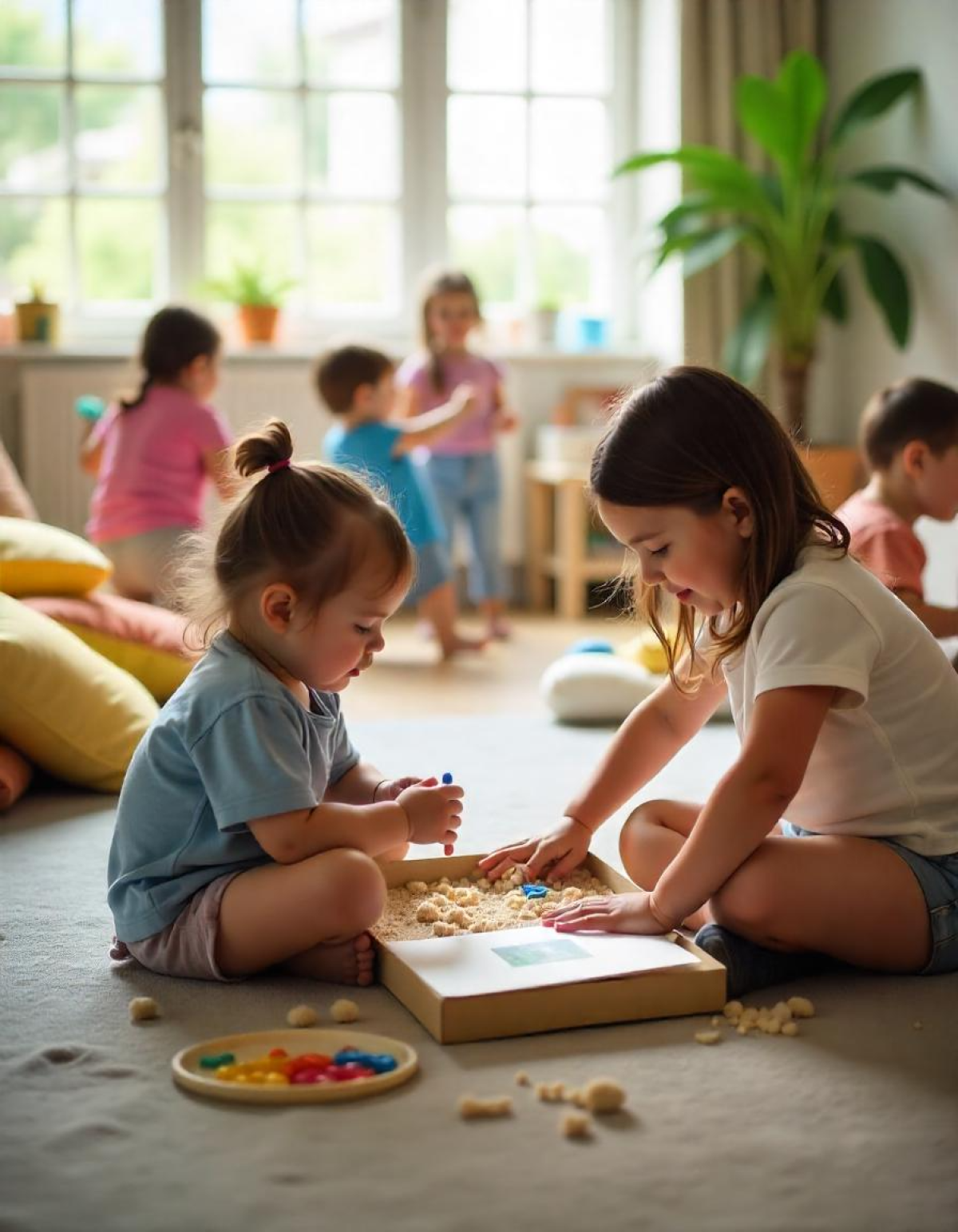
  • Harvest sensory bin: dried pasta shapes, large pine cones, fabric leaves, wooden scoops and small baskets. Use large items only with toddlers, and skip dried corn kernels and beans for children who still mouth objects.
  • Pumpkin exploration: let children feel, smell and look inside a pumpkin. Count seeds together, compare the weight of a small and a large pumpkin, or watch what happens when a pumpkin piece sits out for a few days.
  • Sink or float: test apples, mini pumpkins, leaves, acorn caps and pine cones in a tub of water. Ask children to guess first, then sort results onto two mats.
  • Leaf rubbings: crayons without wrappers and real leaves under thin paper. Talk about veins, edges and colors.

Art and fine motor activities that don't need hours of prep

  • Handprint or footprint turkeys: a classic for a reason. Keep it child-led: let children choose colors and add their own details instead of finishing it for them.
  • Paper-plate wreaths: cut out the center, then glue on torn paper leaves. Tearing paper is great for finger strength.
  • Corn-cob painting: roll a cob (or a textured roller) through paint for interesting patterns. Wash hands after, and keep it away from children with a corn allergy.
  • Threading: lace large pasta tubes or cut straws onto yarn to make a "harvest necklace." Supervise closely with younger children.

Cooking and snack activities (with safety first)

Simple cooking is one of the most memorable parts of the week. Children love to wash, stir, mash and serve.

  • Make a class fruit salad where each child adds one piece, or mash cooked sweet potato with a fork.
  • Check every child's allergy and dietary information before the activity, and tell families in advance what will be served.
  • Avoid common choking hazards for young children, such as whole nuts, popcorn, whole grapes and hard raw vegetables. Cut food into small, soft pieces.
  • Follow your usual handwashing and food hygiene routines, and your program's rules on food brought in from home.

Literacy and math through the theme

  • Read-alouds: choose picture books about gratitude, family meals and autumn. Pause to ask, "What would you share?" or "How do you think she feels?"
  • Grocery list writing: children "write" (scribble, draw or dictate) a list for a pretend family meal in the dramatic play area.
  • Counting and sorting: sort leaves by color or size, count pine cones into numbered baskets, or make a simple graph of favorite fall foods.
  • Pretend restaurant or kitchen: add play food, aprons, menus and a notepad to the dramatic play corner. It's perfect for turn-taking and conversation.

Adapting for toddlers

For children under three, keep activities short, sensory and repetitive. Big pieces, chunky crayons, contact-paper collages with leaves and a simple "thank you" song are plenty. Expect them to explore the materials rather than make a finished product, and that's exactly right for their age.

Keep families in the loop

The week before Thanksgiving is a great moment to connect with families. Share the theme and a few photos, mention any special snack in advance, and remind families about holiday closing days and pick-up times. Many programs use their childcare app for this; for example, kidsday (which supports Childcare Insights) lets centers send parents daily updates with photos, activities and meals, plus messages between parents and the center, so families can see the thankful tree grow without waiting for a newsletter.

A sample Thanksgiving week plan

  • Monday: introduce the thankful tree, leaf rubbings, gratitude song.
  • Tuesday: pumpkin exploration and counting seeds, handprint turkeys.
  • Wednesday: class fruit salad or sweet potato mash, thank-you cards for staff, finish the tree.
  • Thursday and Friday: many programs are closed; if you're open, keep things calm with free play, sensory bins and favorite stories.

Final thoughts

Thanksgiving activities in preschool work best when they are simple, hands-on and focused on gratitude rather than perfect crafts. Choose a few ideas that fit your group, plan around allergies and attendance, and let children lead. The thankful tree on your wall will say more to families than any worksheet.

Childcare Insights is supported by kidsday, a childcare management platform mentioned in this article.

Let us help you find the best care for your babies!

ChildcareInsights only allows advertisers that are either state licensed, or have an exemption, on our website.